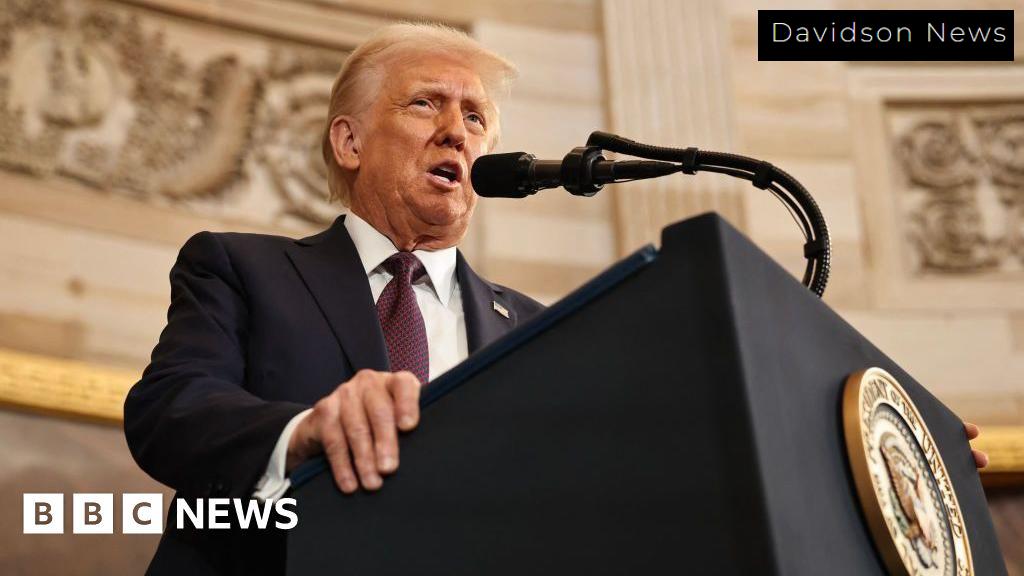
In a bold move, President Donald Trump has issued an executive order that could change how birthright citizenship is defined in the United States. This decision has raised a lot of questions and sparked a national debate about the future of citizenship for children born in the U.S., especially those with undocumented parents. Let’s take a closer look at what this means and why it matters.
Trump has vowed to end birthright citizenship. Can he do it?
President Trump is pushing forward with a plan to redefine birthright citizenship, which has been a cornerstone of American law since the 14th Amendment was ratified in 1868. Currently, this amendment guarantees citizenship to anyone born on U.S. soil. However, Trump’s executive order aims to reinterpret this to exclude children of undocumented immigrants. Critics argue that such a significant change would require a constitutional amendment, not just an executive action.
What is ‘birthright citizenship’?
Birthright citizenship is a legal principle that grants citizenship to any child born within the borders of the United States, regardless of their parents’ citizenship status. This means that if a baby is born in the U.S., they automatically become a U.S. citizen. It’s a practice that’s been in place for generations and has helped many families secure a stable future.
How did it start?
The 14th Amendment, which established birthright citizenship, was created after the Civil War to ensure that all individuals born in the United States, especially former slaves, could enjoy the same rights as other citizens. Over time, this law has been upheld in various Supreme Court cases, including the famous Wong Kim Ark v. United States case in 1898. In this case, the court affirmed the right to citizenship based on the principle of being born in the U.S.
Can Trump overturn it?
While President Trump believes he can end birthright citizenship through his executive order, experts warn that this action is likely to face significant legal challenges. Many legal scholars argue that such a move would be unconstitutional without a formal amendment to the 14th Amendment. It’s important to remember that altering citizenship laws is a complex process requiring thorough legal examination and approval by Congress.
How many people would it impact?
According to various estimates, over 11 million undocumented immigrants live in the U.S., and many could be affected if birthright citizenship were to end. It’s estimated that about 250,000 babies each year are born to unauthorized immigrants. This could mean that thousands of children currently born in the U.S. would lose their automatic citizenship rights, leading to serious ramifications for families and communities.
What countries have birthright citizenship?
Numerous countries across the globe have similar laws granting citizenship to individuals born on their soil, commonly referred to as *jus soli.* Some of these countries include Canada, Australia, and several nations in Latin America. However, many countries also have restrictions or conditions for whom this applies. The U.S. remains one of the few places that guarantees citizenship purely based on birth location.
| Country | Birthright Citizenship? |
|---|---|
| United States | Yes |
| Canada | Yes |
| Australia | Yes, with conditions |
| Mexico | Yes |
| Countries in Europe | No, most require citizenship of at least one parent |
This new executive order from President Trump is stirring a lot of discussions about identity and belonging in America. The future of birthright citizenship is uncertain, but what is clear is that it will likely lead to intense debates across the country, as individuals and families seek to understand their rights and the implications of such changes on their lives. The coming months will be crucial in determining what direction this conversation will take and how it may affect millions of people living in America today.