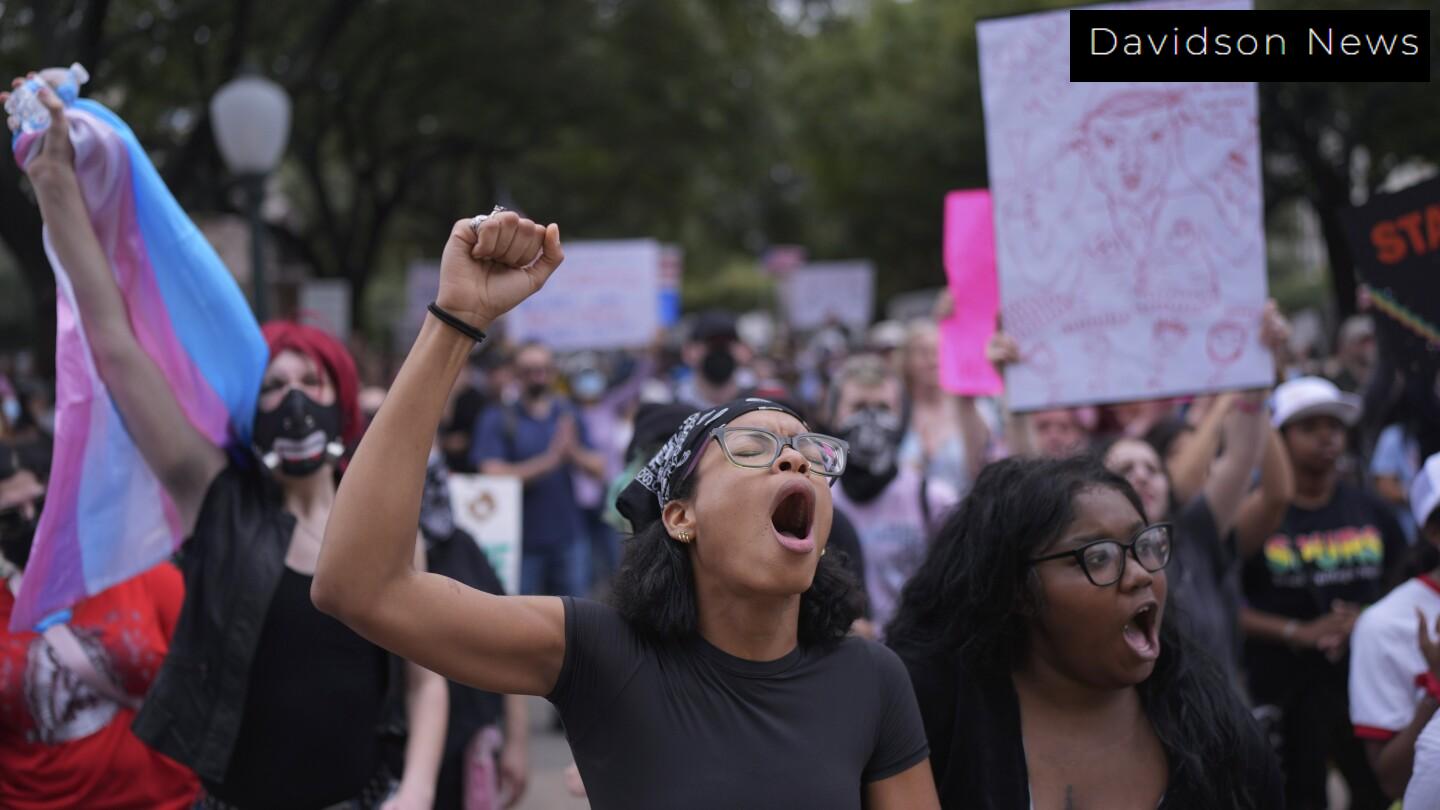
Across the United States, from big cities to smaller towns, people are standing together to voice their concerns about the actions of President Trump and his new policies. On Wednesday, thousands took to the streets in what many are calling the largest protest since the start of his administration. This movement, organized under the banner of the “50501 Movement,” has sparked demonstrations in all 50 states, spotlighting particular issues like immigration, transgender rights, and the controversial Project 2025 and its implications, such as Elon Musk’s involvement.
What Happened During the Protests?
Protests erupted in cities like Philadelphia, Austin, Sacramento, and even near the iconic U.S. Capitol in Washington, D.C. Protesters gathered to criticize various policies that they believe threaten the rights of many Americans. Among the loud chants were slogans like “Don’t let democracy die” and “No more Musk, stop the coup,” expressing deep frustration and concern over President Trump’s recent actions.
- Demonstrators criticized Trump’s immigration policies and the rollback of transgender rights.
- The proposed Project 2025, which many fear could restructure key government functions, drew heavy criticism.
- Protesters expressed worries about Elon Musk’s role in the administration and control over sensitive government data.
- During the protests, signs denouncing Trump and Musk filled the streets, highlighting a growing resistance.
The Pulse of the Movement
As the protests unfolded, many participants described a sense of empowerment and unity among the crowds. The events seemed to gel participants from various backgrounds, all motivated by a shared desire for accountability and justice in government. Reports indicated that over 1,000 people came together in Minnesota alone, and smaller towns saw their own gatherings in support of the movement.
How Did the 50501 Movement Organize?
The 50501 Movement is not just a spontaneous happening; it’s a carefully planned initiative that utilized social media platforms to rally supporters. The main goal of this national demonstration was to bring attention to the issues they believe are crucial for the health of American democracy.
- The movement emphasized peaceful protests, ensuring that respect and safety were first considerations.
- Supporters rallied at their state capitols, encouraging people to voice their opinions while maintaining a strong sense of community.
- The message was clear: Violence will not be tolerated at their gatherings.
- Many participants learned about the event through online campaigns and social media channels.
Key Locations of Protests
| City | Number of Participants | Key Issues |
|---|---|---|
| St. Paul, Minnesota | 1,000+ | Immigrant rights, Project 2025 |
| Washington, D.C. | Several hundred | Executive orders and transparency |
| Austin, Texas | 100+ | Transgender rights |
| Denver, Colorado | 300+ | Government accountability |
Voices of Protest
During these gatherings, voices were raised not only in protest but also in hopes of creating a dialogue. Senators and local leaders took the opportunity to speak to crowds, acknowledging their frustrations while urging for constructive discussions.
- Protesters heard sentiments from congress members who shared their commitment to listening to community concerns.
- From healthcare to education, speakers addressed a range of topics, emphasizing the broad interest in policymaking.
- One protestor compared their stand to iconic moments in activism, symbolizing how they felt compelled to fight for change.
The Future of the Movement
As the protests concluded, the sentiment among participants was mixed with hope and determination. Many hope this is only the beginning of a growing resistance. The 50501 Movement continues to organize and is planning future actions, aiming to keep the pressure on lawmakers to ensure they address the people’s concerns. With every protest, they are making it clear that they will not back down from voicing their political opinions.
For those who want to stay engaged, following local advocacy groups and participating in future protests can be ways to lend support. This ongoing movement is reminding everyone that each voice matters, and together, they can create meaningful change.