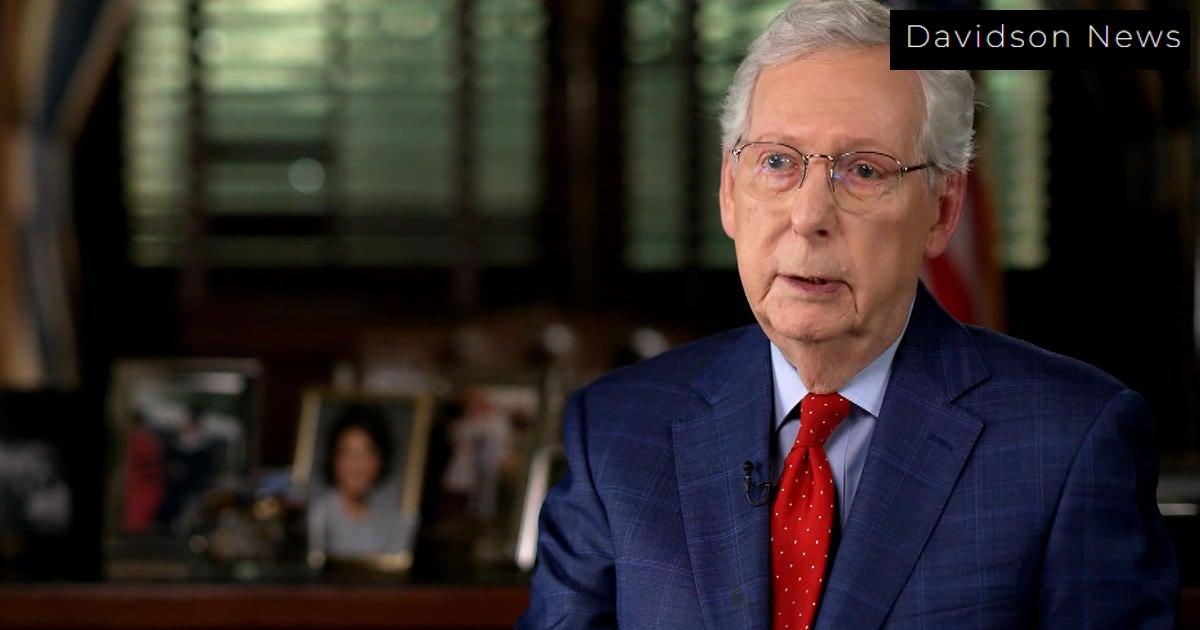
As Mitch McConnell stepped down as the longest-serving Senate leader in U.S. history, many are reflecting on his dramatic influence over the American judiciary. He played a pivotal role in confirming three Supreme Court justices and over 200 lower-court judges, making conservative appointments that could last for generations. This process has not only changed the face of the courts but has also sparked debates across the political spectrum about what that means for America’s future.
The Legacy of Judicial Appointments
McConnell’s approach to judicial nominations was clear: he wanted to shape a conservative judiciary that aligns with his political beliefs. His key achievements include:
- Confirming three Supreme Court justices: Neil Gorsuch, Brett Kavanaugh, and Amy Coney Barrett.
- Appointing over 200 judges to lower federal courts, creating a strong conservative influence.
- Using his power to significantly alter the landscape of the judiciary, aiming for lasting impacts through lifetime appointments.
Controversial Decisions Mark His Tenure
Among McConnell’s most controversial actions was his decision to block President Obama’s nominee, Merrick Garland, in 2016. He argued that it was too close to an election to confirm a new justice. In stark contrast, he swiftly confirmed Amy Coney Barrett just days before the 2020 election, sparking claims of hypocrisy.
Critics argue that McConnell’s tactics were not just politically savvy but undermined foundational democratic principles. For instance, legal expert Lawrence Friedman described his actions as potentially unconstitutional, suggesting that they could conflict with Article II of the Constitution, which outlines presidential powers.
McConnell’s Justifications
During these tense moments, McConnell pointed to historical precedents to justify his decisions. He often referenced a speech by then-Senator Joe Biden in 1992, in which Biden suggested delaying nominations during an election year. This argument was seen as a convenient defense for actions that many viewed as politically motivated.
The Conservative Shift in the Supreme Court
Recent Supreme Court decisions reflect the profound impact that McConnell’s judicial appointments have already had, changing how federal agencies operate and how laws are interpreted in America. For example, cases like *Loper Bright v. Raimondo* highlight this shift, emphasizing conservative ideologies regarding administrative regulation.
Moreover, significant rulings, such as the overturning of Roe v. Wade, have reignited debates about states’ rights and individual freedoms. McConnell himself has downplayed the court’s role, stating that issues like abortion should ultimately be decided by elected officials and the American public.
The Politics of Tariffs and Economic Concerns
While McConnell’s influence on the judiciary is substantial, he has also navigated contentious economic discussions, particularly regarding tariffs initiated under former President Trump. McConnell has expressed opposition to these tariffs, cautioning that they might drive up consumer prices and strain relationships with crucial allies.
- Trump’s tariffs ranged from 10% to 25% on major trading partners like China, Canada, and Mexico.
- Despite widespread Republican support for these tariffs, McConnell has been vocal about their potential negative implications.
- The Tax Foundation estimates that tariffs could lead to an average household tax increase of $830.
- Various Republican lawmakers, including Senators Susan Collins and Rand Paul, have echoed McConnell’s concerns over these economic measures.
Reflection on a Controversial Career
As Mitch McConnell steps back from his leadership role, his legacy continues to provoke discussion. Supporters laud his judicial achievements as a necessary step toward establishing conservative values in law, while critics contend that his methods jeopardized democratic processes.
Looking ahead, it is clear that the ramifications of McConnell’s choices will echo within the halls of the Capitol and beyond for years to come. The ongoing debates within the Republican Party regarding trade and economic policy further illustrate his lasting impact, shaping not just the present but the future of American politics.