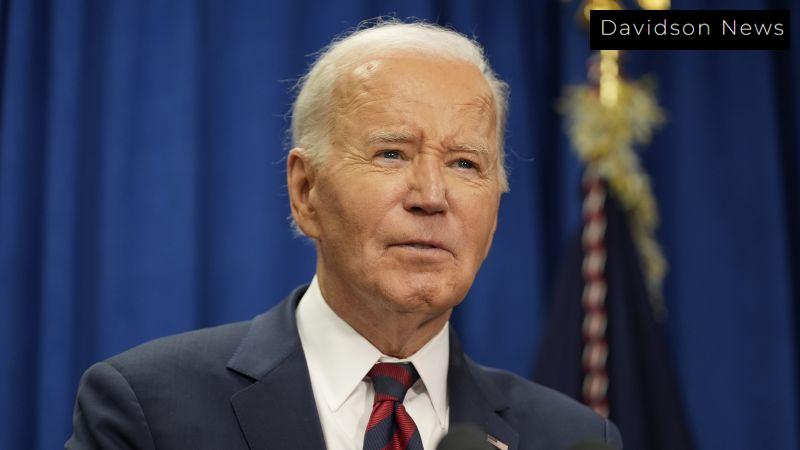
In a surprising move just before Donald Trump’s inauguration, President Joe Biden issued preemptive pardons for several significant figures, including General Mark Milley, Dr. Anthony Fauci, and members of the January 6th committee. These decisions have captured public attention, with many questioning the motives behind them and the implications they hold for American politics.
Washington CNN —
President Biden took this bold step to protect these individuals from what he described as baseless investigations and potential reprisals from the incoming Trump administration. The pardons were granted hours before Trump was set to take office, creating a whirlwind of political discussion across the nation. Biden emphasized that the pardons were necessary to shield those who had served the public and performed their duties under duress, and he made clear that issuing the pardons did not mean those pardoned were guilty of any wrongdoing.
Biden: Protection outweighs implication
- The pardons included General Mark Milley, who is the Chairman of the Joint Chiefs of Staff.
- Dr. Anthony Fauci, the nation’s top infectious disease expert, was also among those granted clemency.
- All members of the January 6th committee, known for their investigation into the Capitol riot, received pardons too.
- Former Representative Liz Cheney, a vocal critic of Trump, was notably included in the pardon list.
Biden rationalized his actions by indicating that America faced threats against those who took a stand against what he called political warfare. He pointed to comments from Trump that suggested serious repercussions for those who went against him or his presidency.
Lawmakers stunned, pardonees ‘grateful’
The public reaction has been mixed, with some supporters praising Biden for taking this courageous step, while others, particularly from Trump’s camp, have expressed disappointment. Some politicians remarked that the pardons raise questions about the integrity and actions of the pardoned individuals. However, responses from the recipients, like Milley and Fauci, expressed gratitude towards Biden for giving them some peace of mind under what they deemed an unprecedented threat.
Notably, some recipients of the pardon, including former members of Congress, were not informed ahead of time that they would be granted clemency, which has stirred debates regarding transparency in the presidential pardon powers.
Biden said Trump’s rhetoric weighed on his decision
Biden’s choice to issue these pardons underlines a significant turning point in U.S. politics, showcasing the tension that exists between the current administration and the incoming one. He acknowledges that the political landscape is charged and articulated admiration for the courage exercised by those involved in the January 6th investigation. Not all invitations to receive pardons were accepted, as some individuals, including Reps. Adam Kinzinger and Adam Schiff, decided to decline this gesture, standing firmly behind their actions and beliefs.
| Pardoned Individuals | Notable Background |
|---|---|
| General Mark Milley | Chairman of the Joint Chiefs of Staff during Trump’s presidency. |
| Dr. Anthony Fauci | Top infectious disease expert who led response to COVID-19. |
| Liz Cheney | Former Republican Congresswoman opposed to Trump. |
As America looks ahead with a new leader about to take the helm, the effects of these pardons will likely play a significant role in shaping the future narrative of American governance and the ongoing divisions within the political arena. The general public is left to wonder: What will this mean for the political landscape as we know it?