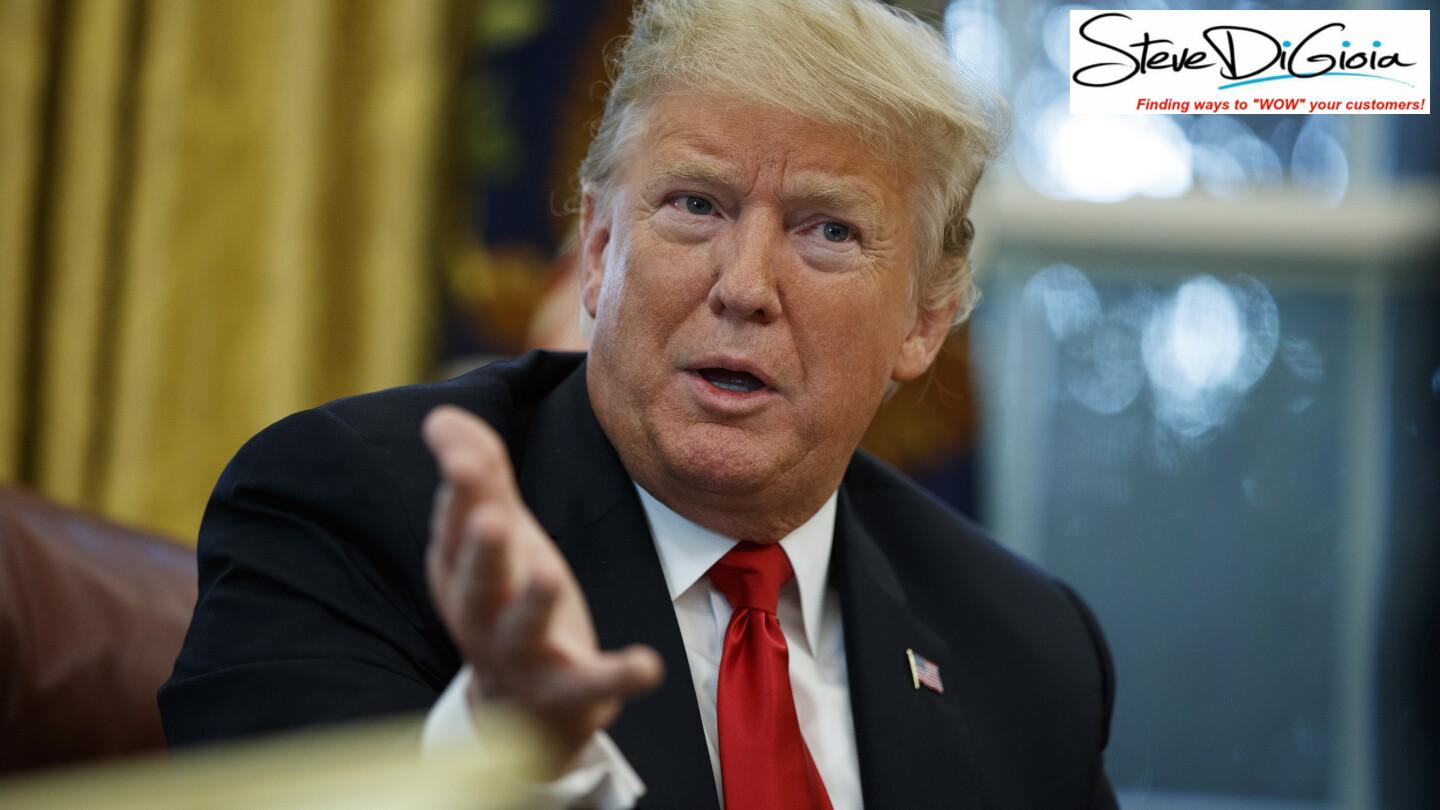
In a bold move, President-elect Donald Trump recently unveiled plans to create a brand new agency called the ‘External Revenue Service.’ This agency is aimed at collecting revenue, including tariffs, from foreign countries. The proposal has quickly sparked discussions and debates about what it means for the economy and how it could change the way trade is handled in the United States.
The Announcement
On January 7, 2025, during a press conference, Trump announced the proposal, expressing his belief that the current system is not fair. He claimed that foreign entities should contribute more financially to the U.S. economy, suggesting that the new agency would ensure that these foreign countries pay their “fair share.” The External Revenue Service is planned to work with existing agencies such as the Internal Revenue Service (IRS) and U.S. Customs and Border Protection, which currently handle tariff collections.
Details of the New Agency
While specifics about how the External Revenue Service will operate are still largely unknown, Trump emphasized its importance in creating a more equitable financial landscape. The plan is part of a broader agenda he refers to as ‘Save America’. This initiative seeks to enhance the economic situation by looking closely at tariffs and duties imposed on imports.
Political Reactions
The announcement has led to a variety of responses from politicians and experts. Many Republicans are supportive, viewing it as a necessary step to bolster the U.S. economy. However, Democrats have raised concerns, suggesting that this could be seen as a tax increase on American families. Senator Ron Wyden voiced his criticism, warning that such policies could result in higher prices for consumers.
Potential Tariffs Explained
As part of this proposal, Trump hinted at significant tariffs that could be imposed, including rates as high as 25% on imports from certain countries. These could particularly affect goods coming from China, which may face tariffs of up to 60%. Economists are warning that such tariffs might ultimately lead to increased prices for everyday items, stressing that these costs would likely be passed onto the consumers.
Concerns Over Complexity
Some experts argue that creating a new agency could add more complexity to an already intricate process of collecting tariffs and revenue. Critics suggest that rather than simplifying government operations, this new agency may duplicate functions already performed by existing entities, thus complicating the system further. Former Trump strategist Stephen K. Bannon has even voiced ideas to expand the agency’s scope beyond just revenue collection from tariffs.
What’s Next?
The proposed External Revenue Service is set to launch shortly after Trump’s inauguration, which begins on January 20, 2025. As the details continue to unfold, many are keeping a close watch on how this might affect trade and the economy. With potential shifts in international trade agreements and tariffs looming, the next few months could see significant changes in how the U.S. engages with its trade partners.
A Chance for Changes?
Whether you are a fan of Trump or not, one thing is clear: this proposal could change the landscape of international trade in the U.S. It sheds light on a broader discussion about how the government collects money and what that means for everyday American citizens. As the story evolves, it will be interesting to see how Congress responds to this plan and what it might mean for our economy in the long run.
| Agency Name | Purpose | Expected Launch Date |
|---|---|---|
| External Revenue Service | Collect tariffs and revenue from foreign countries | January 20, 2025 |