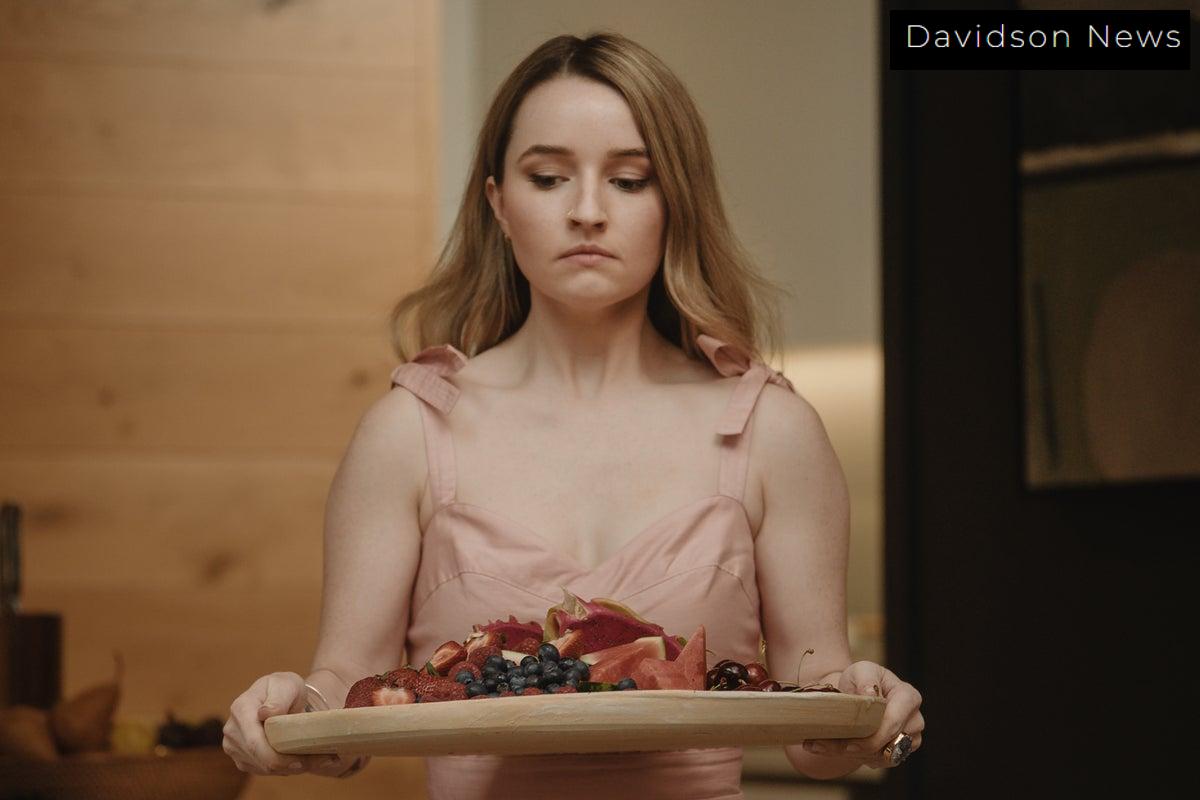
Netflix has recently launched a gripping new miniseries titled “Apple Cider Vinegar,” which dives into the infamous story of Belle Gibson, an Australian influencer who duped thousands by claiming she cured her brain cancer with alternative treatments. The six-part series examines her rise to fame through falsehoods, ultimately revealing the darker side of social media influence and the wellness industry. While watching, viewers might wonder: how did Gibson’s deception unfold, and what lies beneath the surface of her success?
A Deep Dive into Belle Gibson’s Deceit
The Netflix series portrays Gibson’s journey as a cautionary tale against the backdrop of a burgeoning wellness culture. Gibson, a single mother, gained popularity by sharing her supposed cancer journey on social media, where she created a vast following, selling hope and healing through her app, “The Whole Pantry.” This app, which cleverly marketed recipes and lifestyle tips, seemed like a beacon for those in search of alternative health solutions. Many would be shocked to learn that her disease was entirely fabricated.
The Struggles of Real Patients
While Gibson thrived on her lies, the series also introduces characters like Milla Blake, portrayed by Alycia Debnam-Carey, who represent the average person grappling with real medical struggles. Milla, battling cancer herself, creates a wellness blog to support others in her situation. The contrast between her authentic efforts and Gibson’s exploitation generates a powerful dialogue about the dangers of misinformation, especially in desperate times when patients seek any glimmer of hope.
The Aftermath of False Claims
In 2017, the truth about Gibson’s false claims was brought to light, resulting in hefty legal consequences. She was found guilty of misleading conduct and was fined approximately A$410,000, a sum that, as of late 2023, remains unpaid. This part of the story highlights the aftermath of her fraudulent actions, raising questions about accountability in the influencer world. How do we protect vulnerable individuals from similar scams in the future?
The Impact of Social Media
The rise of social media influencers has reshaped how people view health and wellness. Gibson’s story reveals how easily influence can translate into profit, even through deception. The Netflix series doesn’t shy away from these moral quandaries, reflecting on how platform dynamics often prioritize followers and engagement over authenticity and truth. This trend begs for a closer look at how we consume information online.
A Performance to Remember
Kaitlyn Dever’s portrayal of Belle Gibson is poignant, capturing the complexities of her character—from her initial charm to her more sinister side as the downfall of her empire begins. Dever’s dedication to the role, including mastering an Australian accent and deeply exploring Gibson’s character, allows the audience to feel the emotional weight of her journey. As the series unfolds, viewers should be prepared for moments that stir both anger and sympathy for individuals caught in Gibson’s web of lies.
Concluding Thoughts on Netflix’s Apple Cider Vinegar
While “Apple Cider Vinegar” presents a dramatized account of Belle Gibson’s fraud, it serves as an important reminder of the power—and dangers—of social media. The series merges entertainment with a critical examination of our culture’s obsession with wellness, providing valuable insights about trust, influence, and the consequences of our choices. As viewers engage with the series, it offers an opportunity to reflect on what constitutes credible information in the age of social media.